Treatment Centered Around You
Many veterans searching for substance abuse treatment need support that goes beyond detox. Substance use may be connected to trauma, chronic pain, depression, anxiety, grief, or difficulty adjusting after military service.
Our program is built to treat complex trauma and co-occurring conditions. Each treatment plan is based on the individual—not a one-size-fits-all approach—and may include addiction treatment, mental health care, trauma-focused therapies, and continued recovery support.
“I really enjoyed my time here to clear the mind. Highly recommended for any Military personnel in need of help.”
PTSD Treatment
It’s not always the obvious demands of the job that leave lasting mental scars. For many, it’s the exposure to humanity’s darkest moments — the things we witnessed. These experiences quietly embed themselves, creating a kind of trauma that’s harder to pinpoint but impossible to forget.
Signs of PTSD
- Flashbacks or intrusive memories
- Emotional numbness or detachment
- Irritability, anger, or hypervigilance
- Insomnia and disrupted sleep
- Substance use to escape painful thoughts
Stopping substance use alone doesn’t fix the trauma. And for many, traditional talk therapy can’t reach the layers of pain buried under years of survival mode. Complex trauma requires something deeper.
Chronic Pain Treatment
For many veterans, chronic pain is one of the hardest battles that continues long after the uniform comes off. It often starts with an injury, wear and tear from service, or the impact of carrying heavy loads — both physical and emotional.
Pain doesn’t just hurt physically — it also impacts:
- Patience and mood
- Sleep and focus
- Relationships and connection
- Motivation and sense of identity
- Quality of life
- Substance use to dull the pain
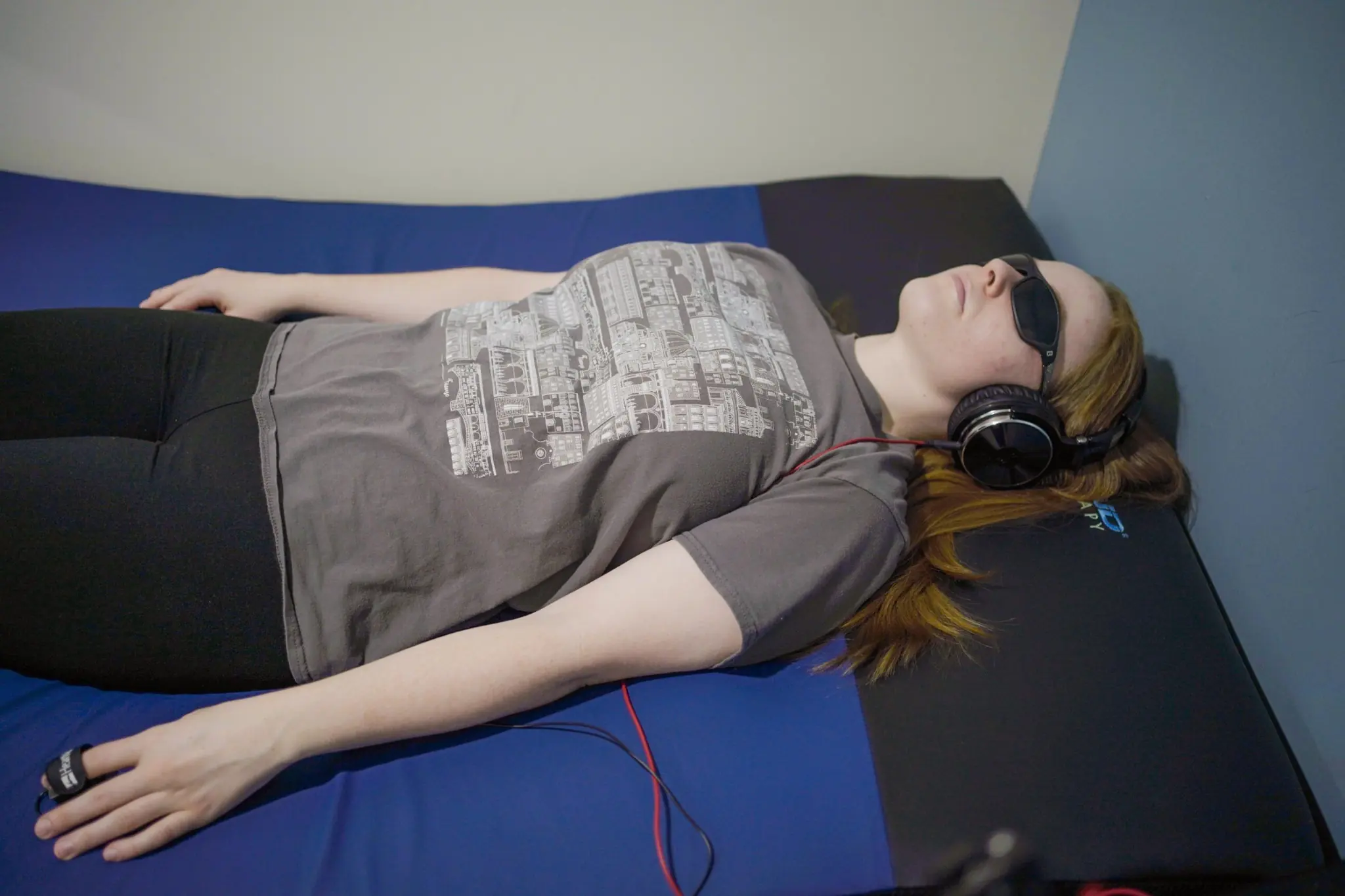
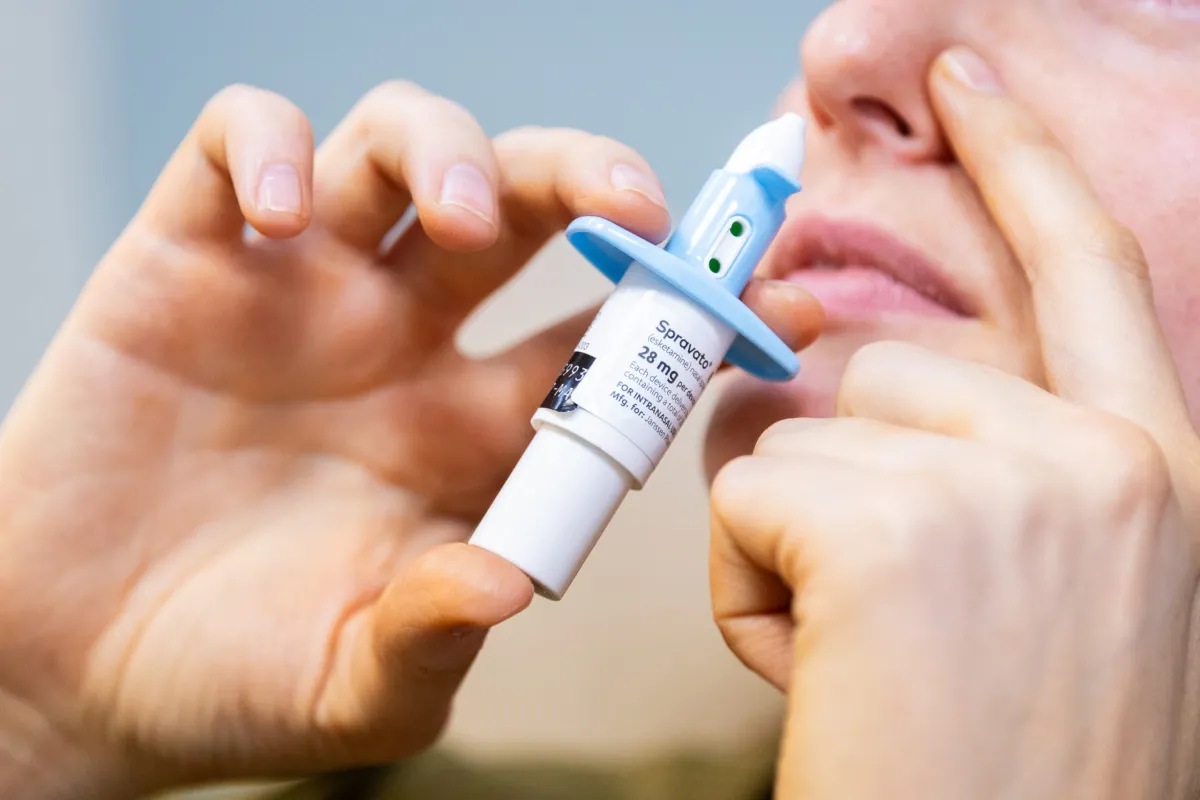
Chronic pain in veterans requires more than temporary fixes. It requires an approach that understands the connection between physical pain and the mental toll of service. Evidence-based therapies like Acceptance and Commitment Therapy (ACT) and newer options like ketamine therapy and TMS retrain how the brain processes pain.
Depression Treatment
Depression affects many veterans but often hides behind silence, anger, or withdrawal. It’s not just sadness — it’s the loss of motivation, the constant exhaustion, the sense that nothing matters anymore. After years of operating in high-stress, high-stakes environments, many veterans struggle to adjust to a life that feels slower, less defined, and often lonely.
Depression can make it hard to:
- Stay connected to family or friends
- Maintain work, routines, or responsibilities
- Find purpose or motivation to get up each day
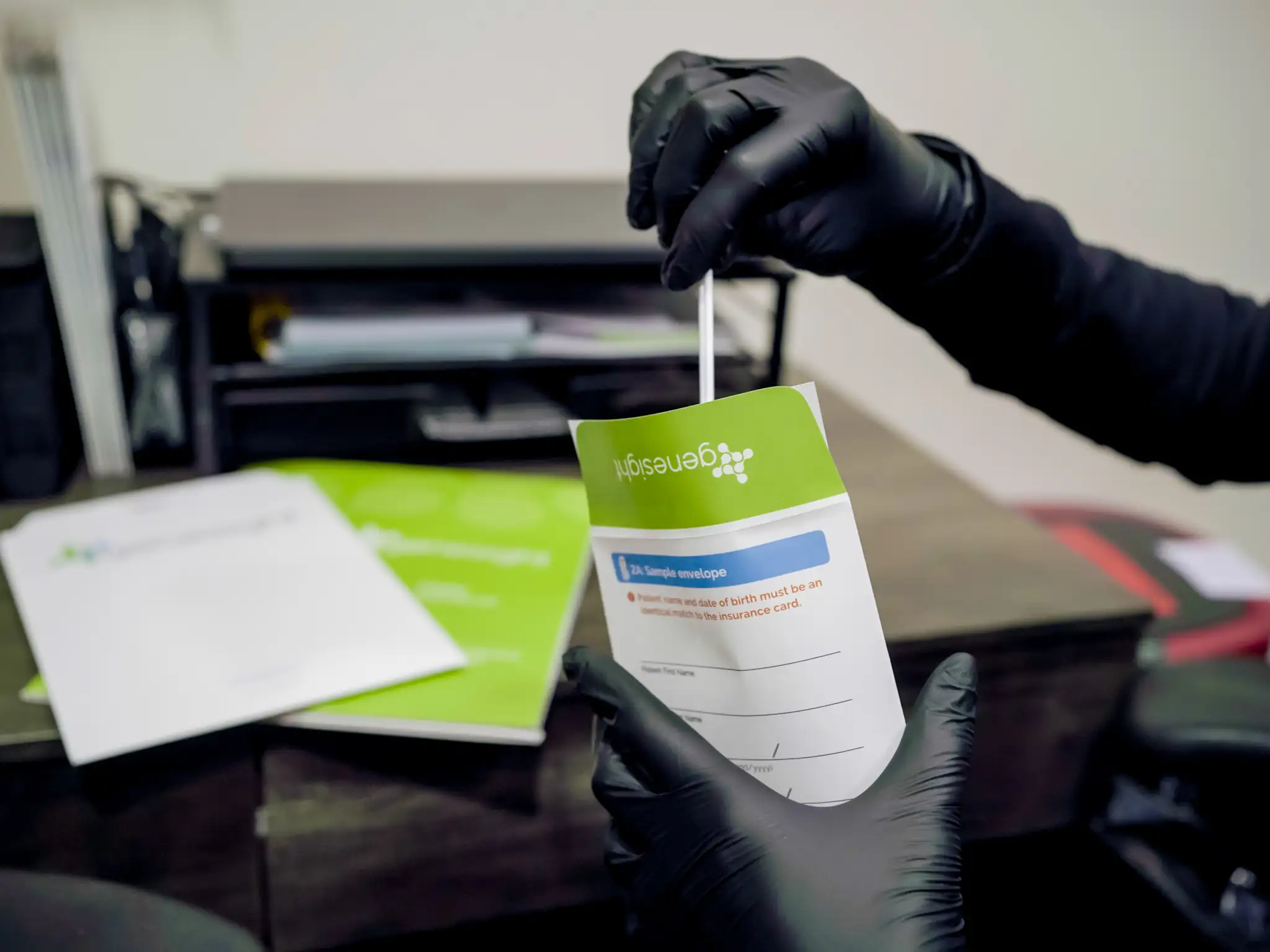
For veterans, depression is often complicated by grief, trauma, or the pressure to keep going no matter what. But, the weight can’t be lifted by willpower alone. Here, treatment goes beyond just managing symptoms. We use evidence-based approaches and medications matched to your generics with GeneSight Testing so you can rebalance your brain faster.
Addiction Treatment
For some veterans, substance use begins as a way to cope with traumatic memories, pain, stress, insomnia, or loss. What starts as temporary relief can become increasingly difficult to control.
Substance use can lead to:
- Isolation from loved ones
- A cycle of guilt and self-blame
- Changes in brain function and impulse control
- An increasing sense of hopelessness
Veterans seeking addiction help may benefit from treatment that addresses both substance use and the underlying conditions contributing to it. Depending on each patient’s needs, care may include medical detox, residential or inpatient rehab, Medication-Assisted Treatment, relapse-prevention planning, and trauma-informed therapy.

 100% Confidential




 Call
Call  Available Now
 Verify Your Insurance
 Call (844) 650-0064
